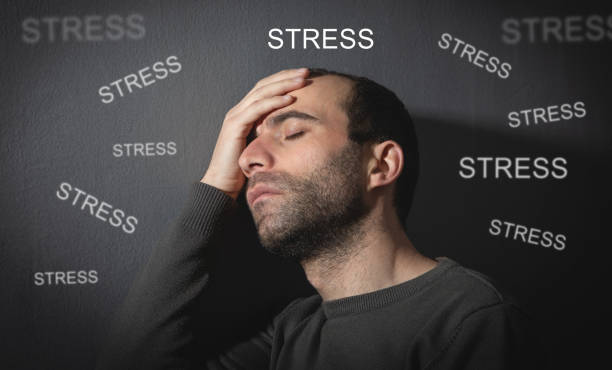

It’s kind of strange, honestly. Sometimes your shoulders are tight, your head feels heavy, your stomach is acting weird… and only later you realize, oh wait, I’ve been stressed for days.
I’ve had this happen so many times. Once I thought I was just sleeping wrong because my neck was hurting every morning. I even changed my pillow. Turns out it wasn’t the pillow. It was deadlines, emails, and that constant background pressure of “I need to do more.” My body figured it out before my brain admitted it.
Stress is sneaky like that. It doesn’t always announce itself with dramatic breakdowns. Sometimes it just quietly tightens your jaw.
Your Brain Is a Drama Queen (In a Survival Way)
The main reason stress shows up physically first is because of how our brain is wired. The emotional part of the brain, especially the amygdala, reacts faster than the logical thinking part. It’s basically like an overprotective guard who hits the alarm button before checking if the threat is real.
When your brain senses pressure, even something modern like a work email or social rejection on social media, it still reacts as if you’re being chased by a tiger. Your body releases cortisol and adrenaline. Heart rate increases. Muscles tighten. Digestion slows down.
The funny part is, your conscious mind might still be saying, “No, no, I’m fine. It’s just a busy week.” Meanwhile your nervous system is already in full emergency mode.
It’s like your body paid the bill before you even saw the invoice.
Muscles Don’t Lie
One of the first places stress shows up is in muscles. Shoulders, neck, jaw, lower back. If you’ve ever caught yourself clenching your teeth while scrolling Instagram, you know what I mean.
I read somewhere that chronic muscle tension from stress can even change posture over time. Not in a dramatic hunchback way, but in subtle tightness that becomes your “normal.” That’s kind of scary if you think about it. We normalize discomfort.
There’s also this thing called “somatic memory.” Basically, your body remembers stress patterns. Even if mentally you think you moved on, your body might still hold onto it.
Ever notice how some people get headaches before a big event? Or stomach issues before exams? That’s not random. It’s the body saying, “Hey, I recognize this situation. We’ve been here before.”
The Gut Is Low-Key Emotional
The stomach is probably the most dramatic organ when it comes to stress. There’s a reason people say “gut feeling.” Your gut and brain are connected through something called the gut-brain axis. It’s not just a cute wellness term influencers use. It’s actually real science.
When stress hormones increase, digestion slows down. Blood flow shifts away from your stomach because your body thinks you need to run or fight, not digest lunch.
I remember during my college exams I could barely eat. I thought it was just nervousness. But technically, my body was prioritizing survival over digestion. Which is wild, because the biggest threat was literally a math paper.
Some studies even show that chronic stress can alter gut bacteria. That’s such a small invisible thing, but it affects mood, immunity, even sleep. And people wonder why they feel “off” without knowing why.
You Think It’s Physical, But It’s Emotional
What makes this tricky is that we separate physical and mental health too much. If your back hurts, you assume it’s posture. If your chest feels tight, maybe you think it’s just acidity. Rarely do we go, maybe I’m overwhelmed.
I’ve seen so many conversations online where people say, “I thought I had a heart issue but it was anxiety.” That’s not to dismiss real health conditions obviously, but it shows how stress can mimic physical illness.
There’s even something called psychosomatic symptoms, where emotional stress creates real physical pain. And no, it’s not “all in your head.” The pain is real. The source is just emotional.
It’s kind of like when your phone overheats. The outside gets hot, but the issue is inside the system.
Social Media Makes It Worse (But We Don’t Notice)
This might sound dramatic, but I really think constant online comparison adds background stress. You scroll, you see everyone’s achievements, trips, gym transformations. Even if you don’t consciously feel jealous, your brain registers it as pressure.
Micro stress. That’s what I call it. Not big enough to cause a meltdown, but enough to tighten your chest slightly.
I once took a short break from social media and realized my sleep improved. I didn’t even think I was stressed before. My body just felt calmer.
We underestimate small daily stressors. But your nervous system doesn’t.
Financial Stress Hits Harder Than We Admit
Money stress is another huge one. And it’s weird because sometimes you won’t sit down and say, “I’m stressed about money.” But your body knows when your expenses are more than your income.
Think about it like this. If you’re spending more than you earn, even slowly, your brain treats it as a survival threat. Resources are limited. That triggers anxiety.
It’s like your internal system is saying, “Hey, we might not be safe.” Even if logically you’re okay for now.
There was a survey I saw that said financial stress is one of the top causes of sleep problems in adults. And sleep issues make stress worse. It becomes this loop that no one asked for.
Why We Don’t Notice It Mentally
The reason stress shows up in the body before we consciously feel it is because we’re distracted. We normalize being busy. We call exhaustion productivity. We scroll instead of reflect.
When was the last time you paused and asked yourself how you actually feel, not just what you need to do next?
Your body doesn’t wait for that self reflection. It reacts instantly. It’s faster than your thoughts.
And honestly, sometimes I think the body is smarter. It doesn’t gaslight itself. If it’s overwhelmed, it tightens, aches, loses sleep.
Meanwhile the brain goes, “No, it’s fine. We’re just grinding.”
Sure.
Small Signs We Ignore
Jaw clenching. Random fatigue. Skin breakouts. Shallow breathing. Irritability over small things.
These are like little notifications. But instead of clicking on them, we swipe them away.
The scary part is when stress stays unaddressed for too long, it can contribute to bigger health problems. High blood pressure, weakened immunity, even hormonal imbalances. It’s not instant, but it builds.
Kind of like debt. Ignore small payments, and suddenly it’s overwhelming.
Learning to Listen Earlier
I’m not perfect at this. I still ignore signs sometimes. But I’ve started noticing patterns. If my sleep gets lighter and my shoulders feel tight, I know something’s up.
Sometimes the solution isn’t huge. It’s going for a walk without headphones. Talking to someone honestly. Reducing caffeine. Even just admitting, “Yeah, I’m stressed.”
The body doesn’t betray you. It warns you.
We just have to pay attention before it starts shouting.