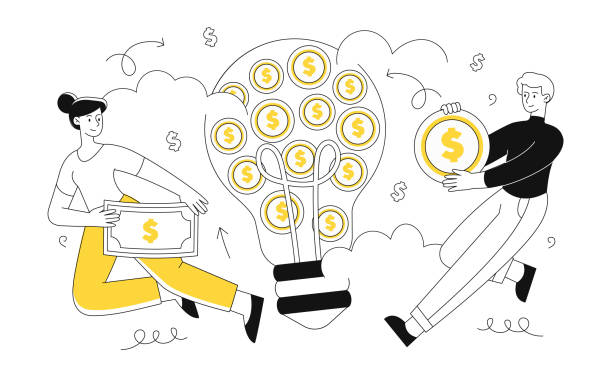

Everyone loves saying, “It’s all about the idea.” Honestly… I don’t fully buy that anymore.
I used to think if I just come up with one crazy unique idea, something no one ever thought of before, I’ll magically build the next Airbnb or Uber. But the funny thing is, neither of those ideas were completely new. People were already renting rooms. Taxis were already a thing. The “simple idea” existed. What changed was execution and timing.
A million-dollar startup usually starts boring. Not glamorous. Not “Shark Tank ready.” It’s more like someone noticing a small problem that annoys them every day. Like, why is booking a last-minute stay so complicated? Or why do I have to call three different drivers to get home at night?
The idea is just the seed. But seeds don’t become trees unless someone actually waters them. And most people just frame the seed and call it a day.
Solving a Real Problem (Not an Imaginary One)
This sounds obvious, but you’d be surprised how many people build startups based on what they think sounds cool rather than what people actually need.
A friend of mine once tried building an app to “gamify productivity for students.” It looked amazing. Cool colors, streaks, motivational quotes. Guess what? Nobody used it after two weeks. Because students don’t need another app reminding them they’re behind. They need simpler tools or accountability.
When Instagram launched, it wasn’t trying to be everything. It focused on one simple thing: sharing photos easily with nice filters. That’s it. They didn’t start with reels, ads, shopping, all that. They solved one thing really well.
It’s like in finance. If you try to “diversify” before you even have money, it’s pointless. You need cash flow first. Same with startups. Solve one real pain. Then grow.
I’ve seen founders who literally stalk Reddit threads and Twitter complaints to find ideas. Not in a creepy way. Just reading what people are already frustrated about. That’s low-key genius.
Execution Is Basically Boring Consistency
Nobody talks about how boring execution is.
We glamorize founders like Elon Musk and Mark Zuckerberg, but behind all the headlines, it’s years of tweaking, failing, fixing bugs, running ads that flop, hiring wrong people, firing wrong people.
Execution is like going to the gym. The idea is “I want abs.” The million-dollar startup is the abs. But the real work is waking up every day and doing the same reps even when no one is clapping for you.
Financially speaking, it’s compound interest. One small improvement every day doesn’t look impressive. But over 2–3 years? It becomes massive. Most startups don’t die because the idea was bad. They die because the founder got tired.
And honestly, that’s relatable. Motivation is overrated. Systems are underrated.
Timing Is an Invisible Multiplier
Sometimes an idea fails not because it’s bad, but because it’s too early. Or too late.
Imagine launching a food delivery app in a small town where everyone still prefers calling the restaurant directly. You might have a solid app, but behavior hasn’t shifted yet. Then something like the pandemic happens and suddenly online ordering explodes. Timing can turn average ideas into gold.
There’s a lesser-known stat I read somewhere that timing accounts for a huge percentage of startup success, more than team or funding in some studies. I don’t remember the exact number, so don’t quote me, but it was shockingly high.
It’s like buying property. You can buy a decent house, but if the area develops, metro comes, malls open up, suddenly your “okay investment” becomes a jackpot. Same house. Different timing.
Distribution Beats Innovation
This one hurts creative people a little.
You can build the most innovative product in the world, but if no one sees it, it doesn’t matter. Meanwhile, someone else builds something slightly average but markets it aggressively on TikTok, YouTube, Instagram… and boom, they win.
I’ve seen so many Twitter threads where founders say, “We didn’t grow because we focused too much on product and ignored distribution.” It’s almost a meme at this point.
Think about TikTok. Short videos existed before. Vine was there. YouTube was there. But TikTok mastered distribution and algorithm in a way that made it addictive. They didn’t invent short-form content. They just made it impossible to ignore.
If your startup is a cake, marketing is the delivery service. The best cake in the world sitting in your kitchen doesn’t become a business.
Money Management Makes or Breaks It
This is the boring finance part, but it matters more than people admit.
A startup can actually be making decent revenue and still die because of cash flow problems. That sounds crazy but happens a lot. Revenue is like your salary. Cash flow is like how much money is actually in your bank account after paying rent, EMIs, and random Zomato cravings.
If you scale too fast, hire too quickly, or spend heavily on ads without proper returns, you burn through money. And investors don’t love that unless you’re showing explosive growth.
I once spoke to a small founder who said their biggest mistake wasn’t product-related. It was overestimating how fast customers would pay invoices. They thought money would come in 30 days. It took 90. That gap nearly killed the business.
Simple idea. Good product. Bad financial planning.
Emotional Stamina Is the Real Secret
No one tells you this, but building a million-dollar startup is mentally exhausting.
There will be weeks where sales drop. Customers complain. Team members quit. And then you open LinkedIn and see some 22-year-old announcing a $5 million funding round. It messes with your head.
I think what really turns a simple idea into something huge is the founder’s ability to not quit during the awkward middle phase. The phase where you’re not small anymore, but not successful yet either.
It’s like baking. If you keep opening the oven to check the cake, it collapses. Startups need time and patience. And a bit of delusion, honestly. You have to believe it’ll work even when data looks… meh.
Social media makes it look like overnight success. But most “overnight” startups have 5–7 years of invisible struggle behind them.
So what turns a simple idea into a million-dollar startup?
It’s a mix of solving a real problem, boring consistency, smart timing, strong distribution, decent money management, and stubborn emotional stamina. The idea itself is maybe 10 percent. The rest is sweat, spreadsheets, and sleepless nights.
Not very glamorous. But very real.